Welcome to Middle School
In the Middle School, the curriculum and pastoral care models are designed to meet the needs of students as they journey through the transitional years of adolescence. Our objective is to provide a positive, safe yet disciplined environment for these students from Years 7 to 9 to be academically challenged, and to provide each individual with the means and opportunities to grow emotionally, socially and spiritually.
The year level tutor group structure is the core of Middle School’s excellent pastoral care. Our tutors are energetic, empathetic and committed to providing the scaffold needed to support students in all facets of their school life. The tutor is the first point of contact for parents/guardians and strong relationships are developed with students and with their parents/ guardians.
At Cathedral, Year 7 is a transition year which offers some of the security of the Junior School structure but with a wider range of opportunities, both academic and extracurricular. Year 8 is a year of consolidation and possibilities, where students experience a wider variety of subjects. In Year 9, students begin to move towards a more Senior School oriented model with choices of electives in areas of personal interest.
The Cathedral Middle School provides a host of extracurricular, sporting, cultural, service and leadership opportunities for its students. We operate within a Christian context in the Anglican tradition and encourage our students to live by these values in their daily interactions with one another.
Mr. Chris Anderson
Head of Middle School
Curriculum
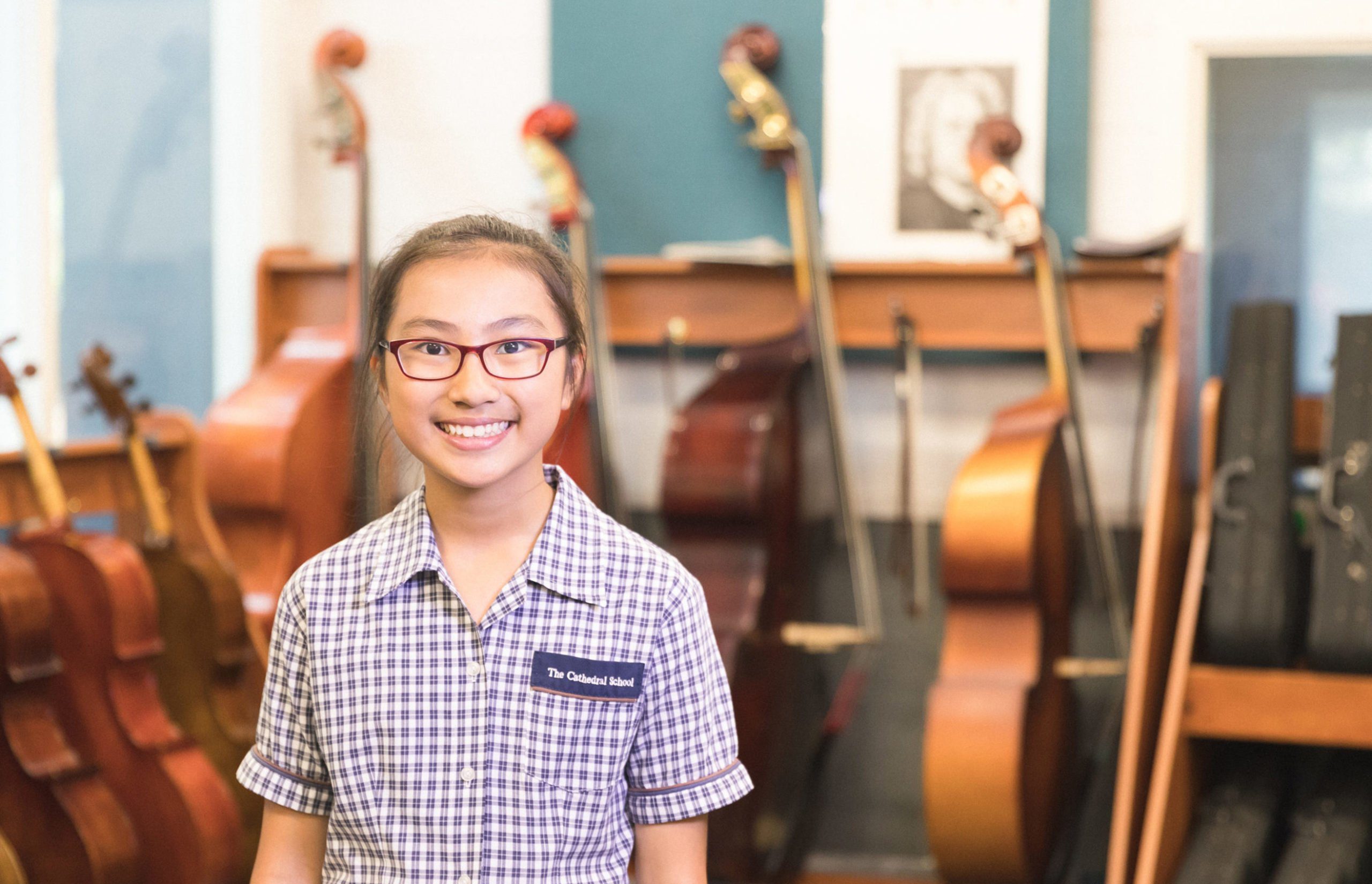
The Cathedral School Middle School curriculum is a mix of strong academic foundations, an appropriate level of challenge for each individual and some student choice. It develops a range of traditional and modern skills that prepare students for the academic rigours of the future and for participation in our increasingly complex, information-driven, society.
Year 7 is a transition year, which keeps some of the security of a primary school structure but with a wider range of study options. The curriculum covers all the key learning areas and includes Japanese as the language taught. Each class has a couple of key teachers who teach across two or three subject areas, thus providing consistency and stability, and the benefit of integration across curriculum areas.
Year 8 provides students with the opportunity to try a variety of subjects so they can learn new skills and discover their personal strengths. The core subjects are studied throughout the year, and each class rotates through the various ‘elective’ subjects term by term – this allows them to see which subjects suit them when it comes time to choose electives in future years.
In Year 9, students begin to move towards a more senior school-oriented model with choices of electives in areas of personal interest. The tutor group model of a home class group that stays together for core subjects is maintained, and one of the class’s key teachers will be their tutor. However, the class group splits for elective subjects, so students are eased into the senior school model of curriculum delivery with specialist teachers in all areas.
Students are prepared for the demands of senior schooling through the seamless transitions across year levels.
NAPLAN
The National Assessment Program – Literacy and Numeracy (NAPLAN) is an annual national assessment for all students in Years 3, 5, 7, and 9, and is the only nationwide assessment that all Australian children undertake. It’s a nationwide measure to see whether or not young Australians are developing the literacy and numeracy skills that provide the critical foundation for other learning, and for their productive and rewarding participation in the community.
NAPLAN is not a defining measure of success for all students. Although NAPLAN is an important guide to how the school is performing in Literacy and Numeracy, the exams are not a complete picture of each individual as a whole.
At The Cathedral School, we nurture the whole child and look at all areas of learning and growth. We are proud of how our students perform in NAPLAN, and confident our Literacy and Numeracy skills are consistently at or above the nationwide standard.
More information on NAPLAN and comparative results can be found on the My School website.
Extracurricular
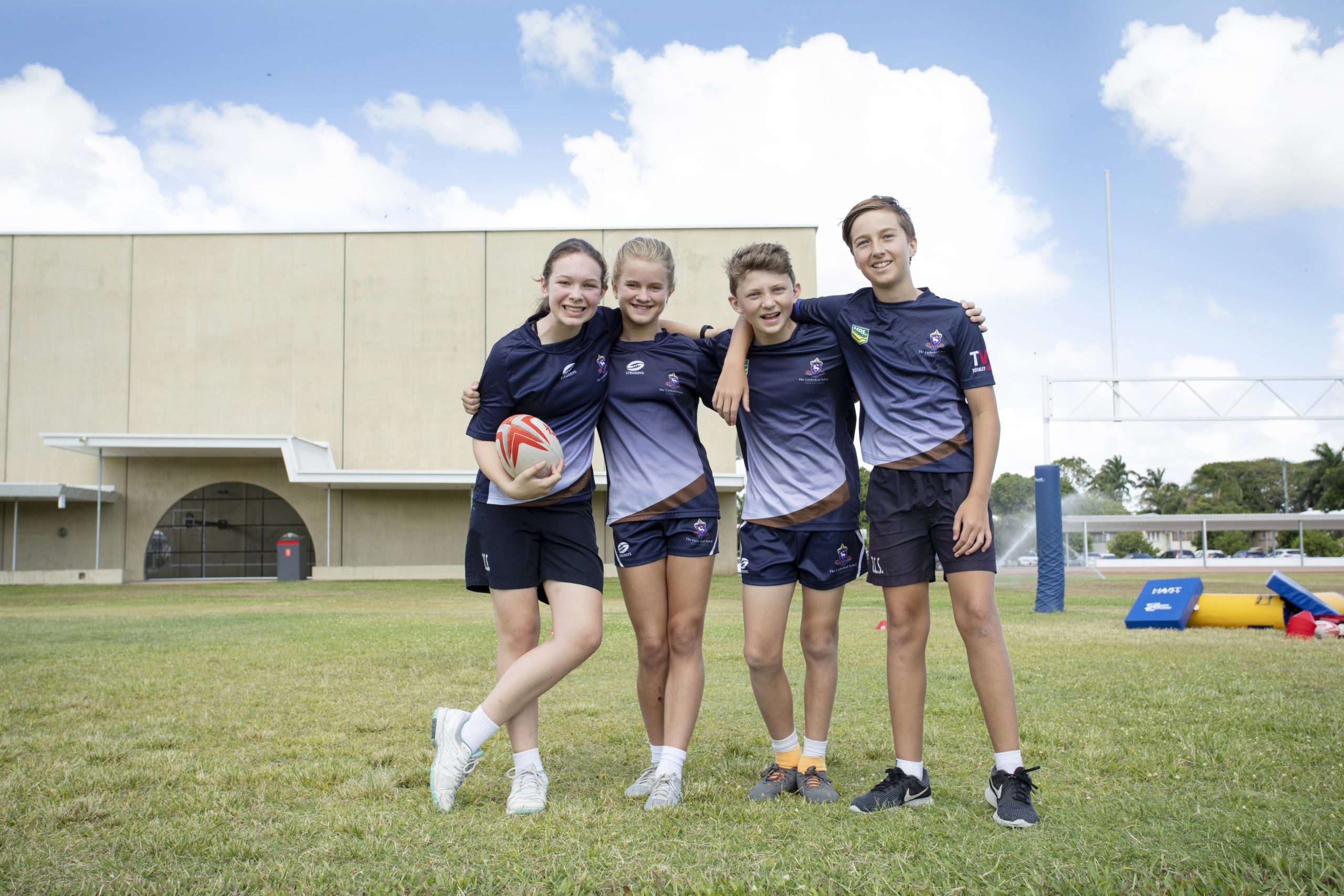
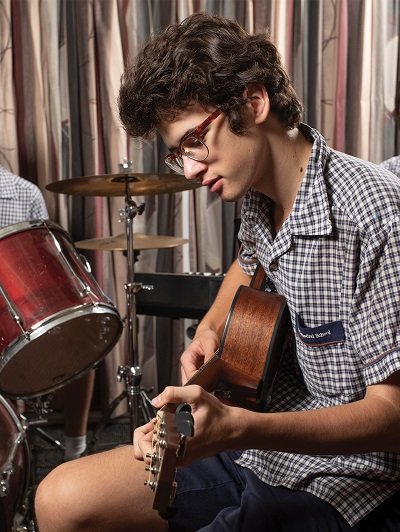
Extracurricular activities give students the chance to develop a variety of skills outside the classroom context. In the Middle School, there are opportunities for the students to involve themselves in activities of a sporting, musical, academic, cultural and recreational nature.
There are opportunities for everyone in the Middle School no matter what their ability level or interest areas.

Outdoor Education
Learning happens best with emotion, challenge and the requisite support. People discover their abilities, values, passions, and responsibilities in situations that offer adventure and the unexpected. In expeditionary learning schools, students undertake tasks that require perseverance, fitness, craftsmanship, imagination, self-discipline, and significant achievement. A teacher’s primary task is to help students overcome their fears and discover they can do more than they think they can.
Students in the Middle School will continue with the excellent Outdoor Education program which is a part of The Cathedral School curriculum from Year 2 to Year 10.
Pastoral Care
Significant educational research has confirmed that adolescent students need a challenging curriculum delivered in an environment that provides social and emotional support.
Pastoral care is central to the philosophy and organisation within the Middle School, with each student having the stability of a home class group (called a Tutor Group) with one of the key teachers of that class having a designated pastoral care role (the Tutor). Our tutors are energetic, empathetic and committed to providing the scaffolding needed to support students in all facets of their school life.
Year 7 Open Day
Students planning to enter Year 7 are invited to experience a Cathedral School education firsthand.
Prospective students will be immersed in a Year 7 classroom and encouraged to get involved in engaging activities. The Year 7 Open Day is an excellent way for students to get a feel for our school, make new friends, and get to know the Year 7 teachers.
Find Out More




Educating for life-long success.
154 Ross River Road, Mundingburra QLD 4812